
Alabama Bench and Bar
Historical Society
About Us
About the Alabama Bench and Bar Historical Society
The Alabama Bench and Bar Historical Society (ABBHS) is devoted to
preserving the history of the state’s judicial and legal system. We strive
to make the citizens of our state more knowledgeable about our court system
and its place in Alabama and United States history. The ABBHS endeavors to
preserve biographical information and stories of attorneys and judges who
played prominent roles in the history of the state’s legal system.
Our Mission
- Preserve Alabama's Legal History by collecting and protecting historical documents, artifacts, photographs, and memorabilia related to the state's courts, judges, and attorneys.
- Honor Legal Leaders by documenting the lives and contributions of attorneys and judges who have played significant roles in Alabama's legal history.
- Support Historical Research by encouraging the publication and study of scholarly works focused on Alabama's bench and bar.
- Educate the Public through exhibits, lectures, publications, and community programs that promote a greater understanding of the judicial system.
- Engage Future Legal Professionals by sponsoring programs such as Lunch With a Judge at the University of Alabama School of Law, Cumberland School of Law, and Thomas Goode Jones School of Law.
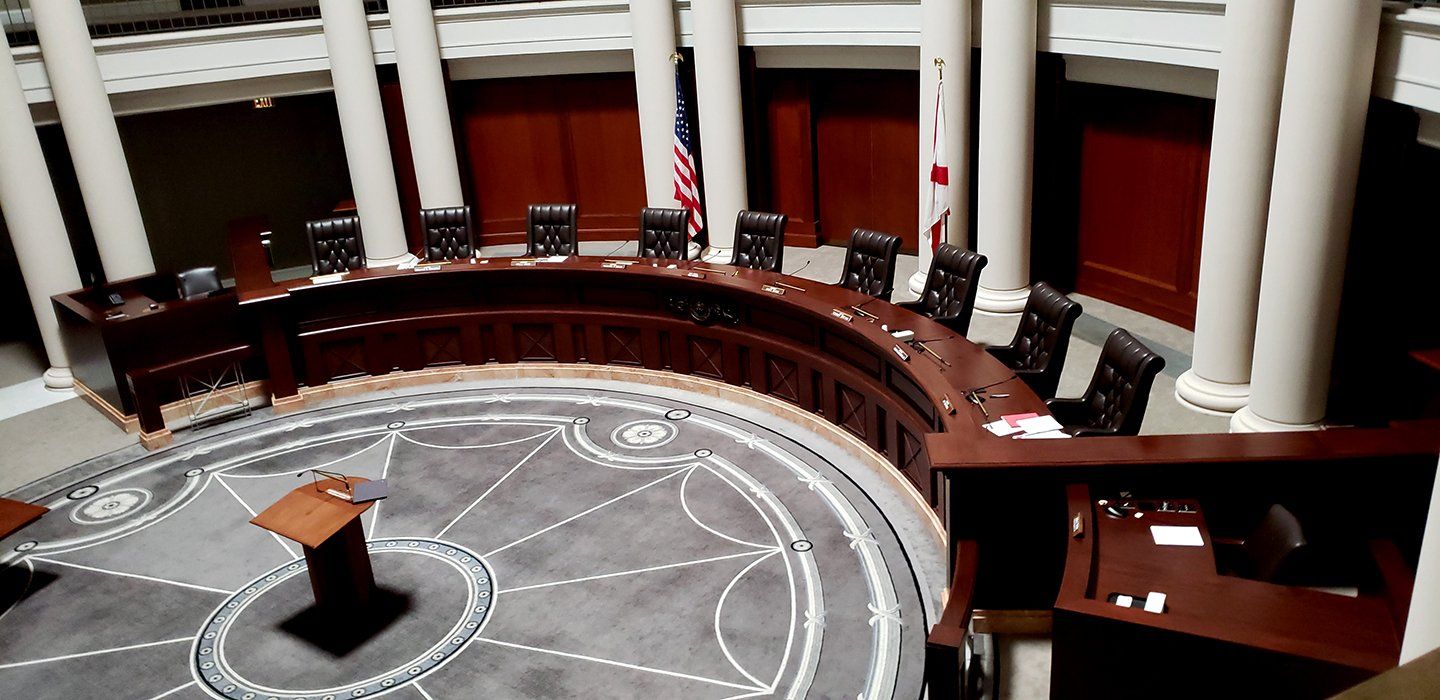
- Serve the Community by participating in the docent program at the Alabama Supreme Court and State Law Library, providing guided tours of the Heflin-Torbert Judicial Building for students and visitors from across the country.
Through these efforts, ABBHS works to ensure that Alabama's legal heritage is preserved, celebrated, and shared with future generations.



The Rare Book Room in the Supreme Court Library houses several exceptional and singular legal manuscripts, such as various works of early Alabama history like the Statutes of the Mississippi Territory (Harry Toulmin) 1807, and a 1765 First Edition of Blackstone’s Commentaries. Restoring these tomes is an exceedingly painstaking and expensive process. For example, one book restoration typically costs $1,000 and can take as long as a year for the book to be returned to the collection. Although restoration helps to make the book more accessible for legal research, the integrity of the actual repair does not lessen its historical value. Principally, these books are a genuine symbol and chronicle of our legal mission illustrating the path which our nation has traveled.
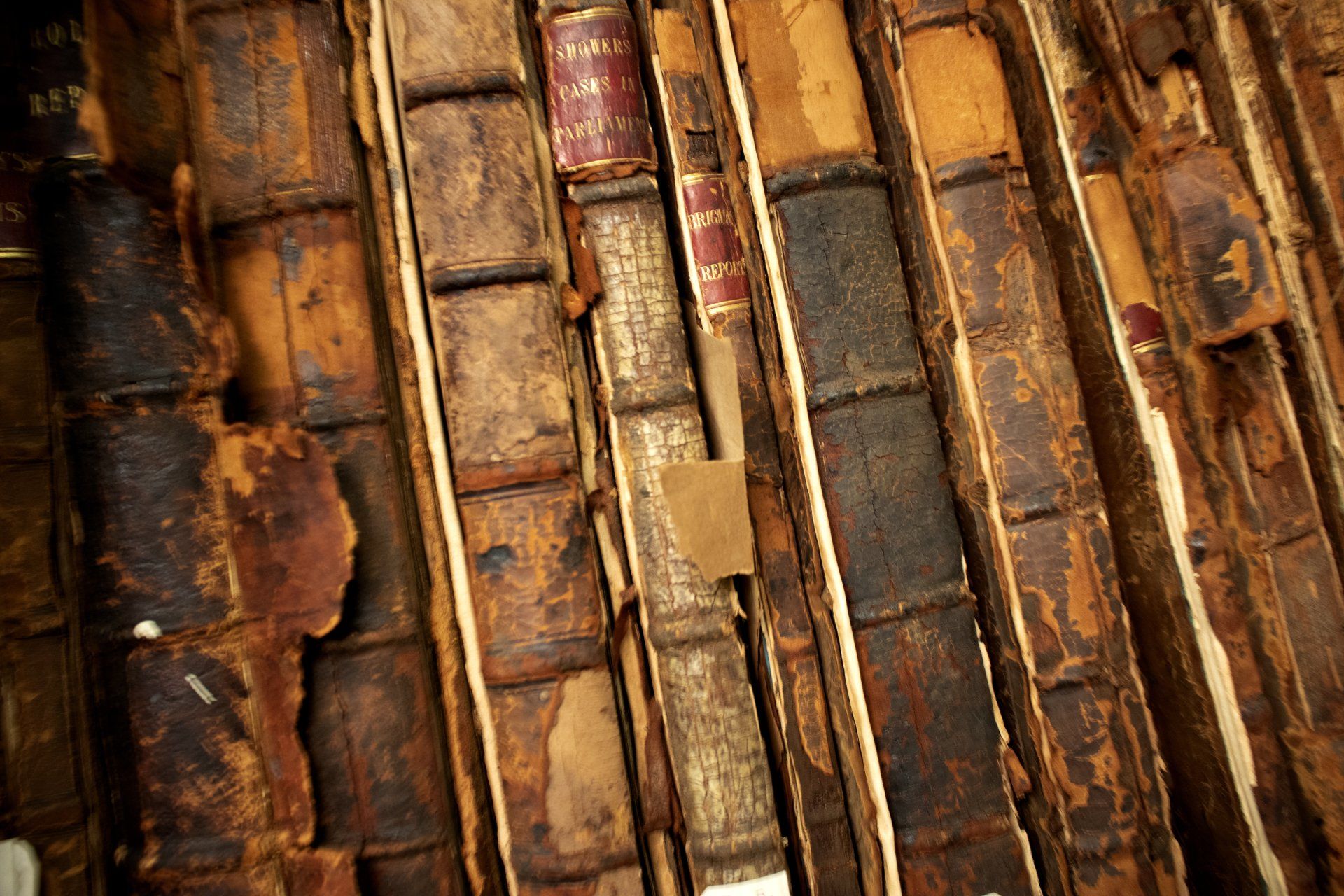

Alabama State Supreme Court & Law Library's Rare Books Room